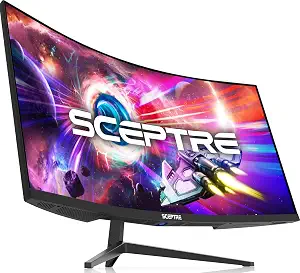
Sceptre 34-inch Curved ultrawide WQHD Monitor (C345B-QUT168)
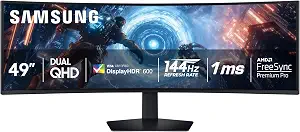
SAMSUNG 49-inch Odyssey G9 (G91F) DQHD, 144Hz, Curved Gaming Monitor, Ultra-Wide 32:9 Screen, DisplayHDR 600, AMD FreeSync™ Premium Pro, Ergonomic Stand, LS49FG910ENXZA, 2025
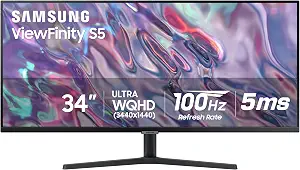
SAMSUNG 34" ViewFinity S50GC Series Ultra-WQHD Monitor
Best Ultrawide Monitor Buying Guide — Black Friday Deals 2026
An ultrawide monitor can change how a desk handles broad timelines, side-by-side windows, or an expansive game view, but the label alone does not settle which configuration fits. Start with the screen’s proportions and resolution, then consider motion specifications, picture features, and the connections you expect to use. The three choices here range from 21:9 formats to a 32:9 screen, with distinct specifications for different priorities. Black Friday shopping is a useful moment to compare listings, not a reason to choose before checking the model and variant. This guide focuses on what the listed details can help you decide—and what remains a matter of personal preference.
Sceptre 34-inch Curved ultrawide WQHD Monitor (C345B-QUT168)
Check Price on Amazon
The Sceptre C345B-QUT168 is the Best Budget pick in this guide, an editorial category rather than a statement about its current price or a verified discount. Its listed configuration gives you a 34-inch screen, 3440 x 1440 resolution, and 21:9 aspect ratio. That combination makes it a candidate for a shopper who wants the familiar ultrawide shape and a clearly stated resolution, without moving to the 32:9 format of the larger option here. Think about the width your own desk routine can use before treating any category label as a reason to buy.
For motion, the specifications list a 165 hertz refresh rate and 1ms MPRT response time. Keep those figures in their stated terms as you decide whether they align with the games or other content you plan to view. They do not replace personal priorities such as preferred screen proportions or the connections your equipment needs. The curved design appears in the product name, so it can be part of your format preference; the supplied facts do not establish how the curve will feel at your desk.
Its connections are specified as 2 x HDMI Port and 2 x DP Port. If you already know which devices or cables you plan to use, compare their requirements with these listed ports and confirm the exact product variant. Do not assume additional capabilities or connection details beyond what the listing states. This is a useful step before weighing the monitor’s wide format against your everyday setup.
As Black Friday listings appear, use the model name and C345B-QUT168 designation to make sure the offer you are considering matches this configuration. Check the complete listing and the terms presented at purchase; no particular promotion or price is established here. The Best Budget label is intended to help organize this shortlist, not to promise the lowest price. Choose it when its stated 34-inch, 21:9 configuration and motion specifications answer your priorities, rather than simply because a sale label draws attention.
Key specs
| Screen size | 34 inches |
| Resolution | 3440 x 1440 |
| Aspect ratio | 21:9 |
| Refresh rate | 165 hertz |
| Response time | 1ms MPRT |
| Connectivity | 2 x HDMI Port, 2 x DP Port |
SAMSUNG 49-inch Odyssey G9 (G91F) DQHD, 144Hz, Curved Gaming Monitor, Ultra-Wide 32:9 Screen, DisplayHDR 600, AMD FreeSync™ Premium Pro, Ergonomic Stand, LS49FG910ENXZA, 2025
Check Price on Amazon
For a desk plan built around an especially broad canvas, the 49-inch Odyssey G9 pairs a 32:9 aspect ratio with 5120×1440 pixels. That combination is the central reason for its Best Overall label among these listed options: it offers a very wide format while also specifying a high resolution. Treat the label as an editorial shortlist role, not as evidence of measured superiority or a claim about every monitor on the market. Before choosing it, picture whether your everyday work or entertainment would actually make use of that broad layout.
The listed motion details are a 144 hertz refresh rate and 1 milliseconds response time. These are separate specifications to weigh against the games or other moving content you care about; neither figure alone tells you whether the display suits your preferences. The listing also identifies VESA DisplayHDR 600 and AMD FreeSync Premium Pro. If those named features matter to your decision, confirm that the exact variant shown in the offer includes them rather than relying only on a product-family name or a promotional image.
A practical buying sequence starts with the space and layout you want, then checks the resolution and motion details against that plan. The screen’s 32:9 proportions may be compelling if you deliberately want an unusually wide view, while a narrower ultrawide may be a more natural match for someone who does not need that shape. The ergonomic stand is included in the listed product name, but check the full listing for the details you need before buying.
The stated ports are DisplayPort, HDMI, and USB. Compare that list with the sources and accessories you intend to connect, and verify the exact connection requirements for your setup rather than assuming a port count or capability that is not specified here. During Black Friday, compare the model number LS49FG910ENXZA and the listed variant against the checkout offer. The Best Overall label identifies this guide’s broad-use pick from the supplied choices; your preferred screen shape, inputs, and named display features should make the final decision.
Key specs
| Screen size | 49 inches |
| Aspect ratio | 32:9 |
| Resolution | 5120×1440 pixels |
| Refresh rate | 144 hertz |
| Response time | 1 milliseconds |
| DisplayHDR | VESA DisplayHDR 600 |
| Ports | DisplayPort, HDMI, USB |
SAMSUNG 34" ViewFinity S50GC Series Ultra-WQHD Monitor
Check Price on Amazon
If your routine involves viewing material from more than one source, the Samsung ViewFinity S50GC earns the Best for Multi-Source Viewing label for a specific listed feature: Picture-by-Picture (PBP) can show input from 2 simultaneous sources at native resolution. That may make it worth considering when you want to keep separate inputs visible together. The feature description does not promise that every source or workflow will suit your needs, so check how your intended devices connect and whether this viewing approach is useful to you.
The monitor is listed with a 34-inch screen, 3440 x 1440 pixels, and a 21:9 aspect ratio. Those details establish its format for a shopper comparing it with the other wide-screen choices. Its stated refresh rate is 100 hertz and its response time is 5 milliseconds. Consider those figures in relation to the content you expect to view; the numbers are specifications, not a guarantee about your personal experience.
Other listed picture details include a matte screen finish, HDR10, and FreeSync. These are distinct attributes to consider according to your preferences, rather than a reason to assume that one monitor is automatically right for every task. If a particular picture feature is important to you, verify that the listing for the exact variant includes it. The matte finish may also be a deciding detail for shoppers who specifically prefer that stated surface type.
Before Black Friday checkout, trace your intended sources to the listed inputs and confirm the connection details on the exact offer. The supplied facts identify PBP behavior but do not specify port types, so avoid assuming that a preferred device can connect without checking the full listing. The Best for Multi-Source Viewing label reflects this monitor’s expressly listed simultaneous-source feature; it does not imply that it has a broader connection selection than the other picks. Make the choice when that PBP use is central to your setup, not merely because the feature name sounds useful.
Key specs
| Screen size | 34 inches |
| Resolution | 3440 x 1440 pixels |
| Aspect ratio | 21:9 |
| Refresh rate | 100 hertz |
| Response time | 5 milliseconds |
| Screen finish | Matte |
| Picture quality | HDR10 |
| Adaptive sync | FreeSync |
| Multi-source viewing | With PBP, view input from 2 simultaneous sources at native resolution |
Start by sketching the view you want
A useful shortlist begins with the shape of the work area you want to see, rather than with a discount banner. The 21:9 options here have different stated screen sizes and motion details, while the Odyssey listing uses a 32:9 aspect ratio. Ask whether you want a broad single-screen workspace, whether the extra-wide proportions have a purpose in your regular routine, or whether you simply prefer a conventional ultrawide shape. A format is only useful when it matches the way you expect to arrange content.
Next, use resolution as a point of comparison without treating it as a complete picture-quality verdict. One 34-inch model is listed at 3440 x 1440, the other 34-inch option at 3440 x 1440 pixels, and the 49-inch model at 5120×1440 pixels. Keep the supplied formatting in view when checking listings, and do not assume that a resolution alone establishes text size, image quality, or suitability for a particular application. Those preferences depend on the content and viewing arrangement you have in mind.
Make a short note of the non-negotiables before opening Black Friday offers: preferred proportions, the resolution you seek, and any specifically named feature you want. That turns a broad category search into a model-level comparison. If a headline seems attractive but the offer does not clearly identify the configuration that matches your plan, pause and verify it rather than substituting a similar-looking product.
Give motion figures a purpose
Refresh rate and response time describe separate listed details, so compare them as separate parts of a decision. The Sceptre entry specifies 165 hertz and 1ms MPRT; the Odyssey entry specifies 144 hertz and 1 milliseconds; and the ViewFinity entry specifies 100 hertz and 5 milliseconds. These figures let you compare the stated configurations, but they do not establish which display you will prefer or guarantee an outcome with your particular content.
Start with what you actually watch or play. If fast-moving content is important to your shortlist, note the motion specifications and decide how much weight to give them alongside format and other features. If your primary use is arranging documents or comparing sources, another listed detail—such as the ViewFinity’s PBP description—may matter more to your choice. Avoid treating a single figure as a complete measure of a monitor, or collapsing the refresh rate and response time into one claim.
Black Friday product pages can place a prominent feature beside an offer, but the relevant question is whether that feature is part of the exact configuration you intend to buy. Compare the model designation and the stated specifications, then decide whether the motion details solve a real need. This keeps a fast-looking headline from taking priority over the screen shape, connections, or source-viewing behavior that may better match your routine.
Plan sources before looking at ports
Write down the equipment you intend to connect and the connection details you need before comparing monitors. The Sceptre listing specifies 2 x HDMI Port and 2 x DP Port. The Odyssey listing identifies DisplayPort, HDMI, and USB, without specifying port counts in the supplied facts. The ViewFinity facts describe PBP but do not provide port types. These distinctions matter: a feature that sounds useful does not, by itself, confirm that your particular device can connect as planned.
For a multi-source routine, the ViewFinity’s stated PBP feature is unusually relevant to the decision because its description says input from 2 simultaneous sources can be viewed at native resolution. Check the complete listing for the input details and confirm that your intended sources match. For the other screens, compare their listed connections to your own equipment without assuming unlisted behavior or connector capabilities.
This checklist is especially handy during Black Friday, when a listing title or product image may not be enough to distinguish the exact offer. Look for the model designation, inspect the stated connections, and confirm the variant before proceeding. If the details needed to verify your setup are unclear, do not fill the gaps with assumptions. A little care here can prevent selecting a screen based on a connection plan that the available listing details have not confirmed.
Separate display preferences from must-haves
The supplied picture-related features vary, so decide which ones belong on your must-have list. The Odyssey identifies VESA DisplayHDR 600 and AMD FreeSync Premium Pro. The ViewFinity lists HDR10, FreeSync, and a matte screen finish. Those labels describe features to compare; they should not be treated as interchangeable claims or as proof that one display will look better to every viewer. Choose based on the details you value and verify them on the exact product page.
Also distinguish a listed feature from a personal preference. You may want a matte finish, may prioritize a named HDR format, or may have no need to make those attributes decisive. The Sceptre facts provided here emphasize its size, resolution, proportions, motion specifications, and listed ports; that is not evidence that any unlisted feature is absent. Base comparisons on confirmed information rather than treating missing details as negatives.
The same discipline applies to a Black Friday offer. Confirm the model and variant, then make sure the feature you care about is actually identified for that item. A category label or promotional phrase cannot substitute for checking the facts that answer your question. If the details do not resolve a preference, keep that uncertainty visible and compare the options using the specifications that are available.
Check the offer as carefully as the screen
A purchase decision has two parts: choosing the configuration and verifying that the offer corresponds to it. Before checkout, compare the product name, model identifier, and the specific specifications that led you to shortlist it. This is particularly important when two screens share a size or resolution but differ in other stated details. Match the variant, not just a broad search phrase such as ultrawide monitor.
Black Friday can bring many listings and prominent deal language, but no particular discount or active promotion is established in this guide. Examine the actual terms and item information shown for the offer you are considering. Check whether the page identifies the screen size, proportions, resolution, and any required feature or connection. If something important is ambiguous, resolve that before buying rather than assuming the offer is identical to another configuration.
Finally, compare the complete choice against your original priorities. The broad 32:9 format, a 21:9 screen with specified motion details, and a 21:9 monitor with PBP each answer a different possible need. The Black Friday label should prompt a careful check, not pressure you into changing those priorities. When the exact variant and its listed details align with your planned use, you can make the decision on a clearer basis.
Make your Black Friday choice
The best ultrawide for your desk is the one whose proportions, resolution, stated motion details, and relevant features fit the way you intend to use it. Consider the Odyssey when its 32:9 format and named display features match your priorities, the Sceptre when its listed 34-inch configuration suits your shortlist, or the ViewFinity when its PBP description is central to your plan. Those are guide-specific labels, not guarantees of superiority. During Black Friday, verify the model and exact offer before checkout, and let the configuration—not the urgency of a sale banner—settle the choice.