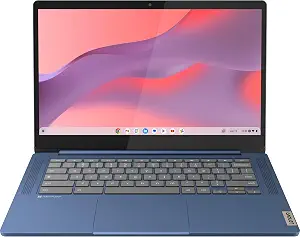
Lenovo Flagship Chromebook, 14'' FHD Touchscreen
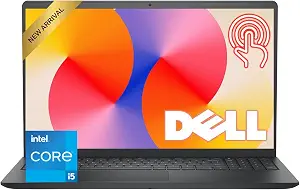
Dell 15.6" FHD Touchscreen Laptop
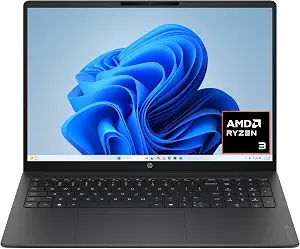
HP OmniBook 3 16 inch Laptop PC
Best Touch Screen Laptop Buying Guide — Black Friday Deals 2026
Will you mostly tap through reading and everyday tasks, or do you want touch input alongside a conventional laptop workspace? That distinction can narrow a touch screen laptop shortlist before Black Friday offers enter the picture. These three options span ChromeOS and Windows, a compact 14-inch display and larger 15.6-inch or 16-inch screens, and different processor, memory and storage configurations. The right fit depends on the software you use, how much room you want for onscreen controls, and which specifications matter in your routine. Treat each Black Friday offer as a specific configuration to verify, not as proof that a laptop suits you. The recommendations below are editorial choices among these listed products, not results from comparative testing.
Lenovo Flagship Chromebook, 14'' FHD Touchscreen
Best Budget is the editorial label for the Lenovo in this shortlist; it does not imply a particular price, discount or market-wide ranking. Its 14-inch Full HD touchscreen is the smallest display of these three, which may suit someone who prioritizes a more compact screen area over a larger workspace. The processor is a MediaTek Kompanio 520, an Octa-Core design with 4x A73 @2.0GHz + 4x A53 @2.0GHz. The memory and storage configuration is 4GB RAM plus 64GB eMMC. Those details are important to weigh together: decide whether that listed capacity and ChromeOS setup fit the way you plan to use a laptop, rather than selecting by touch support alone.
Google Chrome OS is the operating system, and wireless details include Wi-Fi 6, 11ax 2×2 + Bluetooth 5.1 combo. The listed battery-life figure is 13.5 hours; it is useful as a stated specification, not a promise for every routine or setting. A shopper who mainly wants a touchscreen Chromebook can compare those details against the Windows options here, while keeping the operating-system choice central. Black Friday may bring different listings or configurations into view, so check the exact product page rather than assuming a displayed offer covers this particular combination of 4GB RAM, 64GB eMMC and the Kompanio 520. If those are the capacities and platform you want, the Lenovo gives you a clear, relatively compact configuration to consider.
Key specs
| Display | 14" Full HD Touchscreen |
| Processor | MediaTek Kompanio 520 processor (Octa-Core, 4x A73 @2.0GHz + 4x A53 @2.0GHz). |
| Memory and storage | 4GB RAM + 64GB eMMC |
| Operating system | Google Chrome OS |
| Wireless | Wi-Fi 6, 11ax 2×2 + Bluetooth 5.1 combo |
| Battery life | 13.5 hours |
Dell 15.6" FHD Touchscreen Laptop
Best Overall is an editorial fit label for this group, not a claim of measured superiority. The Dell combines a 15.6-inch Full HD touchscreen with a 120Hz refresh rate, IPS panel and anti-glare finish. That gives shoppers several display details to consider together: screen size, resolution, panel type, refresh rate and finish. If you want touch input without choosing the smallest display in this selection, this is the middle screen-size option between the 14-inch Chromebook and the 16-inch HP. Think about where the laptop will sit and whether that display area suits your everyday tasks before deciding that a Black Friday offer is a match.
Its 13th Gen Intel Core i5-1334U processor has 10 cores and speeds up to 4.60GHz; the listed configuration also includes 8GB DDR4 RAM and a 512GB SSD. Windows 11 Home is the operating system, so consider whether that is the environment you want before comparing offers. The FHD 1080p webcam is another concrete detail for shoppers who expect to use the built-in camera. Listed battery life is up to 9 hours, so treat that figure as a comparison point rather than a guarantee of your own runtime. The mix of Windows, a 512GB SSD and the specified display makes this a sensible first configuration to examine if you want a broad set of listed features in one laptop. During Black Friday, verify that the exact listing retains these details before judging its offer.
Key specs
| Processor | 13th Gen Intel Core i5-1334U processor with 10 cores and speeds up to 4.60GHz |
| Memory | 8GB DDR4 RAM |
| Storage | 512GB SSD |
| Display | 15.6-inch Full HD touchscreen with a 120Hz refresh rate, IPS panel, and anti-glare finish |
| Operating system | Windows 11 Home |
| Webcam | FHD 1080p webcam |
| Battery life | up to 9 hours of battery life |
HP OmniBook 3 16 inch Laptop PC
Check Price on Amazon
Best for a Larger Touch Workspace is an editorial label grounded in the HP’s 16-inch diagonal touch display. Its 2K (1920 x 1200) IPS panel is described as micro-edge and anti-glare, with 300 nits of brightness. These are listed panel details to compare with your own screen preferences; the larger size may appeal if you want more display area for documents or onscreen controls. It is the largest display in this group, so consider whether that size suits the places where you expect to use a laptop. The label describes a feature-based fit among these products, not a test result or a claim that every shopper will prefer it.
The HP uses an AMD Ryzen 3 7320U processor, with up to 4.1 GHz max boost clock, 4 MB L3 cache, 4 cores and 8 threads. Its configuration includes 8 GB LPDDR5-5500 MT/s onboard memory, a 512 GB PCIe NVMe M.2 SSD and AMD Radeon 610M Graphics. Windows 11 Home is specified. The camera is a 1080p FHD camera with HDR auto switch, temporal noise reduction and integrated dual array digital microphones; wireless is MediaTek Wi-Fi 6 MT7920 (2×2) and Bluetooth 5.4. That collection of details may help you decide whether this particular configuration aligns with your priorities, without assuming performance beyond the specifications. For Black Friday, match the exact offer to this model and these listed components before comparing it with the other large-screen choice.
Key specs
| Display | 16" diagonal, 2K (1920 x 1200), touch, IPS, micro-edge, anti-glare, 300 nits |
| Processor | AMD Ryzen 3 7320U (up to 4.1 GHz max boost clock, 4 MB L3 cache, 4 cores, 8 threads) |
| Memory | 8 GB LPDDR5-5500 MT/s (onboard) |
| Storage | 512 GB PCIe NVMe M.2 SSD |
| Graphics | AMD Radeon 610M Graphics |
| Wireless | MediaTek Wi-Fi 6 MT7920 (2×2) and Bluetooth 5.4 wireless card |
| Camera | 1080p FHD camera with HDR auto switch, temporal noise reduction and integrated dual array digital microphones |
| Operating system | Windows 11 Home |
Pick the operating system before the touchscreen
Touch input is only one part of choosing a laptop. The Lenovo runs Google Chrome OS, while both the Dell and HP list Windows 11 Home. Start by identifying the operating system you want to use, then narrow the shortlist to the products that match. This prevents a Black Friday offer from drawing your attention to a configuration whose platform is not your preference. The available facts do not establish compatibility with particular applications or services, so check the software requirements that matter to you independently rather than assuming they will work.
Once the platform is clear, weigh the listed hardware as a configuration rather than as isolated numbers. The Lenovo pairs 4GB RAM and 64GB eMMC with its MediaTek Kompanio 520 processor. The Dell pairs 8GB DDR4 RAM and a 512GB SSD with its 13th Gen Intel Core i5-1334U. The HP has 8 GB LPDDR5-5500 MT/s onboard memory and a 512 GB PCIe NVMe M.2 SSD alongside its AMD Ryzen 3 7320U. These distinctions describe what is listed; they do not, by themselves, establish how a laptop will handle your specific workload. For Black Friday, compare the exact configuration shown with your own platform and capacity priorities.
Choose touch-screen space for the way you work
The display sizes offer a straightforward way to sort these options: the Lenovo is 14-inch, the Dell is 15.6-inch, and the HP is 16-inch diagonal. Consider where you normally use a laptop and how much room you want for content and touch controls. A smaller display area may fit a tighter workspace preference, while a larger one may be more appealing if screen area is a priority. Those are choices about fit, not claims that one size is better for every task. Also consider how often you expect to interact directly with the screen; if touch is occasional, other specifications may deserve more weight.
Look beyond diagonal size when comparing the panels. The Dell lists Full HD, IPS, anti-glare and a 120Hz refresh rate. The HP lists 2K (1920 x 1200), IPS, micro-edge, anti-glare and 300 nits. The Lenovo lists a 14-inch Full HD touchscreen, without the additional panel details supplied for the other two. Treat missing details as unknown rather than as evidence of a feature being absent. For a Black Friday comparison, open the exact listing and confirm its display description and product identity. Do not choose solely because an offer highlights touch; screen size, resolution and the other stated panel details should all fit your priorities.
Set capacity priorities before comparing configurations
Memory and storage can help distinguish these configurations, but their relevance depends on what you expect to keep and do on the laptop. The Lenovo lists 4GB RAM and 64GB eMMC. The Dell lists 8GB DDR4 RAM and a 512GB SSD. The HP lists 8 GB LPDDR5-5500 MT/s onboard memory and a 512 GB PCIe NVMe M.2 SSD. These are not interchangeable descriptions: note both the amount and the type given in the listing, then decide which configuration merits a closer look for your intended routine.
Processor names are another useful comparison point, not a standalone verdict. The Dell’s Intel Core i5-1334U specification includes 10 cores and speeds up to 4.60GHz. The HP’s Ryzen 3 7320U lists 4 cores, 8 threads and up to 4.1 GHz max boost clock. The Lenovo lists its Kompanio 520 Octa-Core details. Do not infer a real-world speed ranking from a single number or compare unlike processor details as if they were directly equivalent. During Black Friday, check that the listing’s memory, storage and processor all match the configuration you intended to compare. A deal that fits your capacity priorities is more useful than one that simply draws attention to one component.
Use camera, wireless and battery details as filters
Supporting features can help break a tie once platform, screen and capacity are in view. The Dell specifies an FHD 1080p webcam. The HP lists a 1080p FHD camera with HDR auto switch, temporal noise reduction and integrated dual array digital microphones. The Lenovo facts provided here do not specify a camera, so do not treat that omission as confirmation that it lacks one; check the exact listing if a camera matters. Likewise, compare wireless details only where listed: the Lenovo has Wi-Fi 6, 11ax 2×2 + Bluetooth 5.1 combo, and the HP has MediaTek Wi-Fi 6 MT7920 (2×2) and Bluetooth 5.4. The Dell wireless details are not included in this comparison.
Battery claims also need careful reading. Lenovo lists 13.5 hours, while Dell lists up to 9 hours. No battery-life figure is supplied for the HP. These statements do not establish how long any model will last under your own mix of settings and use. Check the exact offer for the feature details important to you, and keep any stated runtime in perspective. Black Friday comparison pages can make side-by-side scanning convenient, but verify each product’s own configuration rather than transferring a camera, wireless or battery specification from one option to another.
Make the Black Friday offer answer your checklist
Before choosing among offers, write down the requirements that would rule a laptop in or out: operating system, preferred display size, touch support, memory and storage priorities, and any camera or wireless details you need to confirm. Then compare the listing against that short checklist. The product names and broad screen descriptions are not enough if the exact configuration matters to you. Confirm that the offer refers to the model you meant to evaluate and that its displayed specifications correspond to the Lenovo, Dell or HP configuration described here.
Do not treat an offer label as a substitute for product fit, and do not assume that Black Friday means a particular price, discount or availability. No current promotion is established in this guide. Compare the exact offer and variant shown to the specifications you care about, and check the retailer listing for its current terms. If two options meet your needs, use the remaining distinctions—such as the Dell’s 120Hz IPS anti-glare screen, the Lenovo’s ChromeOS and listed battery figure, or the HP’s 16-inch diagonal display—to decide which tradeoffs matter more. This method keeps the purchase centered on the configuration, not the seasonal language around it.
Make your Black Friday choice
A useful final choice begins with fit: select the operating system you want, decide how much display area suits your workspace, and check the listed processor, memory and storage against your priorities. The Dell is the Best Overall editorial pick in this group, the Lenovo is labeled Best Budget, and the HP is Best for a Larger Touch Workspace; each label describes a different buyer-fit angle, not a measured award. Before committing during Black Friday, match the exact listing to the model and configuration you intended to compare. Confirm the display, operating system and other decision-critical details, then assess the offer on its own terms. That checklist helps keep a touch screen laptop purchase grounded in the features you will actually use.