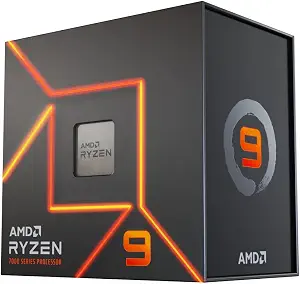
AMD Ryzen 9 7900X 12-Core, 24-Thread Unlocked Desktop Processor
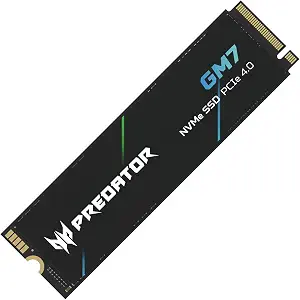
Acer Predator GM7 1TB SSD
Best Pc Parts Buying Guide — Black Friday Deals 2026
Black Friday can make a parts list feel like a race to grab whichever component has the most eye-catching offer. A better approach is to identify what the build still needs, then check whether each exact product and listing fits that plan. The choices here cover a processor, an M.2 solid-state drive and a power supply, so they serve different roles rather than competing as substitutes. Decide which role matters most, confirm the platform or device requirements for that part, and compare the offer details before checkout. No sale label can establish compatibility by itself; the specifications and the rest of your planned system have to line up.
AMD Ryzen 9 7900X 12-Core, 24-Thread Unlocked Desktop Processor
Check Price on Amazon
For a build where the processor is the main open decision, this is the Best Overall pick among the listed options. That label is an editorial choice, not a claim of measured superiority. The provided specifications identify a 12 Core processor with 24 concurrent threads, Socket AM5, and 12 MB L2 plus 64 MB L3 cache. Those details give shoppers concrete points to check against their motherboard plans and the kinds of tasks they expect the desktop to handle. They do not, on their own, predict how a complete system will perform.
The core and thread counts may be relevant to someone balancing everyday desktop use with workloads that can make use of parallel processing. Think through the applications you actually plan to run, rather than treating a larger specification list as a reason to spend more. The listing also identifies 5 nm process technology and an AMD Radeon Graphics controller. If you are considering that controller as part of your planned setup, check what the rest of your configuration and display requirements call for; the supplied facts do not establish particular display connections or performance.
Before a Black Friday purchase, verify that the exact processor listing matches the part you intend to build around, then confirm motherboard socket requirements and any other platform details from the relevant component listings. Socket AM5 is the key stated fit detail here, but it is not a substitute for checking the complete board and system requirements. Compare the offer for this exact product rather than assuming that a similar product name means the same configuration. If the processor is your build’s priority and its listed platform and workload details fit, this choice gives you a focused starting point.
Key specs
| Processor socket | Socket AM5 |
| Processor cores | 12 Core |
| Concurrent threads | 24 |
| Cache | 12 MB L2 plus 64 MB L3 cache |
| Process technology | 5 nm process technology |
| Graphics controller | AMD Radeon Graphics controller |
Acer Predator GM7 1TB SSD
This drive earns the Best for fast M.2 storage label because its listing gives a specific M.2 form factor, PCIe interface and stated speed figures. The label describes its role in this selection; it is not a claim that it will be fastest in every system or task. Its listed capacity is 1 TB, and its form factor is M.2 2280. For a shopper looking to add storage to a desktop, laptop or gaming console, the first question is whether the intended device supports the drive’s shape and interface, not whether the headline speed sounds attractive.
The interface is PCIe Gen 4 x4 NVMe 2.0. The listing states read speed up to 7400 MB/s and write-speeds of 6500 MB/s. Treat those as product-listing figures with their stated qualifications, not as a promise about every device or workload. A system’s support and the way a particular task uses storage matter to the buying decision. The drive also uses HMB (Host Memory Buffer) and is equipped with SLC Cache, which are details shoppers can compare when checking the exact model against their needs.
For Black Friday, make sure the listing identifies this exact capacity and model, and verify the intended device’s storage requirements before placing an order. The compatible-device information names desktop, gaming console and laptop, but shoppers should still check the particular device rather than assume every example in a category accepts the same drive. If you want a 1 TB M.2 drive and your destination supports its stated form factor and interface, this is a clear option to evaluate. If fit is uncertain, resolve that question before letting a promotional presentation influence the choice.
Key specs
| Capacity | Digital Storage Capacity 1 TB |
| Form factor | M.2 2280 |
| Interface | PCIe Gen 4 x4 NVMe 2.0 |
| Read speed | Read Speed Up to 7400 MB/s |
| Write speed | 6500 MB/s write-speeds |
| Cache | HMB (Host Memory Buffer) and is equipped with SLC Cache |
| Compatible devices | Desktop, Gaming Console, Laptop |
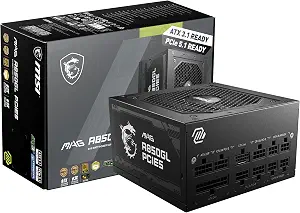
MSI MAG A850GL PCIE5
This power supply is the Best Budget choice in this guide, an editorial designation among these products rather than a claim about market-wide value or a measured result. Its listing specifies 850 watts of output, an ATX form factor, a fully modular design and 80+ Gold certification. Those are useful comparison points when you are choosing a supply for a planned build. They are not enough to establish that it suits every system, so base the decision on the parts you intend to connect and the requirements of the case and components.
The model is identified as ATX 3.1 and PCIe 5.1 Ready and includes a Native Dual-Color 12V-2×6 Cable. A shopper planning around those stated standards can compare them with the requirements of the other selected parts. The fully modular design is another listed feature to consider when reviewing how the build will be assembled, but check the exact product details and your own layout rather than assuming a particular cable arrangement will suit every case. The provided information does not establish system-wide compatibility or a specific noise, cooling or efficiency outcome.
During Black Friday shopping, compare the exact listing and its stated 850 watts, standards, cable and form factor with the complete parts list. Do not choose a supply from its certification or promotional label alone; verify the requirements of the components you plan to use. The Best Budget label is intended to help distinguish this option in the guide, not to guarantee the lowest price or savings. If the output and listed standards fit your intended configuration, it merits consideration; if the system plan is unsettled, finish that plan before deciding whether this is the right purchase.
Key specs
| Certification | 80+ Gold |
| Design | Fully modular design |
| Output wattage | 850 watts |
| Standards | ATX 3.1 & PCIe 5.1 Ready |
| Cable | Native Dual-Color 12V-2×6 Cable |
| Form factor | ATX |
Turn the parts list into a compatibility map
Start by writing down the job each purchase must do and the components it must work alongside. For the processor, record the planned motherboard platform and check the board’s requirements against the stated Socket AM5. For storage, note the intended destination and verify that it accepts M.2 2280 and supports PCIe Gen 4 x4 NVMe 2.0. For the power supply, compare the planned system requirements with its stated ATX form factor, output and standards. These checks are separate: a promising match on one part does not resolve fit elsewhere in the build.
This map also helps prevent an unnecessary purchase. If the system already has a suitable component for one role, focus Black Friday browsing on the unresolved need instead of treating every listed part as essential. If you are assembling a new desktop, check the board, case, storage destination and other planned components through their own product information. Keep a short note of any unanswered fit question and settle it before checkout. That simple sequence—define the role, identify the connection or platform, then verify the exact component—keeps attractive offers from becoming mismatched additions.
Choose the processor by the work ahead
A processor decision should begin with the tasks you intend to run, not with a specification in isolation. The listed 12 Core and 24-thread configuration may interest shoppers whose plans include workloads that can use multiple threads, while cache, process technology and the named graphics controller provide further points for comparison. The facts do not establish how a given application will behave, so use your software needs and the rest of the system plan to decide which details deserve priority. Avoid paying attention to a feature merely because it looks prominent in a listing.
Black Friday makes it especially useful to set your criteria before browsing. Write down the platform you need, the work the desktop is meant to handle and whether the listed AMD Radeon Graphics controller is relevant to your intended setup. Then compare the exact processor offer with those requirements and verify the motherboard information separately. If the listing fits the plan, it can stay on your shortlist; if a key platform detail is unresolved, pause rather than treating a limited-time message as a reason to guess. A clear task-based choice is more useful than chasing a specification without a defined purpose.
Judge storage by destination before speed
Storage fit is both a physical and an interface question. Confirm the device’s accepted form factor and interface before weighing capacity or speed figures. This drive is listed as M.2 2280 with PCIe Gen 4 x4 NVMe 2.0, and its compatible-device information names desktop, gaming console and laptop. Those categories are a starting point for checking, not a guarantee that every individual device supports it. Consult the exact device requirements and establish that the slot and interface match before comparing offers.
After fit is clear, decide whether the listed 1 TB capacity serves your storage plan. The stated read speed is up to 7400 MB/s, with write-speeds of 6500 MB/s; consider those figures in the context of the destination and tasks rather than expecting them to describe every use. HMB and SLC Cache are also listed features that can help distinguish the product information you are comparing. On Black Friday, check that the offer is for the exact model and capacity you intended. A capacity or interface mismatch matters more than a compelling headline.
Balance the supply against the whole configuration
A power supply should be considered in relation to the complete system, not as a standalone bargain. Put the planned components together and check their requirements against the supply’s stated 850 watts of output. Confirm the case and system requirements for its ATX form factor, and compare the listed ATX 3.1 and PCIe 5.1 Ready standards with the needs of the parts you plan to connect. The product facts offer useful checkpoints, but do not establish suitability for an unspecified build.
Then consider the features in context. The fully modular design, 80+ Gold certification and Native Dual-Color 12V-2×6 Cable are all stated listing details; none removes the need to verify the full configuration. During Black Friday, do not let the Best Budget label or a sale presentation stand in for that check. Compare the exact model with the components on your list and resolve any uncertainty about required connections before ordering. If you have not settled the rest of the build, finishing that plan first makes the supply decision more informed and helps avoid choosing around a single headline feature.
Make the offer itself part of the fit check
Once the required role and compatibility questions are clear, review the actual offer carefully. Match the product identity, capacity or output, and the relevant stated specifications to your shortlist. A product page can contain variations, so do not assume that every displayed option corresponds to the exact part you evaluated. Check the selected model and configuration at the point where the offer is presented, and revisit the listed details if anything differs from your plan. This is a practical comparison step, not an assumption that a promotion is active or that a particular saving is available.
For Black Friday, compare each candidate against the same needs rather than letting sale language define what counts as a good buy. Keep notes on the processor platform, SSD destination and power-supply requirements, then confirm each chosen listing against those notes. If an offer is unclear or the selected variant does not match, hold off until you can identify the right product. This approach gives the Best Overall, Best Budget and Best for fast M.2 storage labels their proper role: quick editorial signposts within this selection, not substitutes for checking whether a part fits your own build.
Make your Black Friday choice
A useful Black Friday parts shortlist begins with the needs of the build: choose the processor around its platform and planned work, choose storage around the destination and supported interface, and evaluate the power supply against the complete configuration. Then inspect the exact offer and confirm that its product and selected variant match the specifications you considered. The products here provide concrete details for those checks, but none can settle every system-fit question without the rest of your component plan. Let compatibility and intended use lead; let the promotion matter only after the part makes sense for your build.