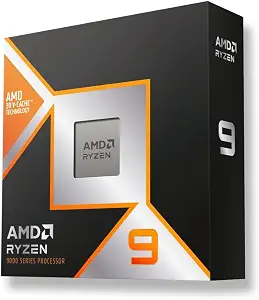
AMD Ryzen 9 9900X3D 12-Core Processor Buying Guide — Black Friday Deals 2026
Are you choosing a processor for a build you already have in mind, or trying to decide which parts should shape the build? The AMD Ryzen 9 9900X3D is listed with 12 cores, 24 concurrent threads, a 4.4 GHz processor speed, Socket AM5, and a 120-watt specification. Those details give you useful filters, but they do not answer every system-planning question. For Black Friday, start with the configuration you want to keep, then check whether this exact processor listing fits it. That approach helps avoid letting a seasonal headline distract from the parts, workloads, and spending priorities that matter to you.
The AMD Ryzen 9 9900X3D is a candidate to consider when your priorities include a 12-core processor and 24 concurrent threads. Those counts can help frame a workload discussion: if you expect to handle tasks that can use multiple cores or threads, decide whether those listed quantities match your plans before comparing offers. They do not, by themselves, establish how a particular application will perform. Black Friday may make this model easier to spot among competing listings, but the model name and event wording are not substitutes for matching the processor to your intended use.
The listing also identifies a processor speed of 4.4 GHz, Socket AM5, 12 MB of secondary cache, 140 MB of installed cache, and wattage of 120 watts. Keep each label in its proper context when comparing the processor with another option or checking a build plan. In particular, the two cache entries are separately named figures, so do not treat them as interchangeable. The listed details are a starting point rather than a complete description of every system requirement. During Black Friday shopping, make your decision from the exact item and its stated specifications, not assumptions about unlisted features or a discount.
A many-threaded workload may fit the shortlist
The 12 cores and 24 concurrent threads are the most direct figures here for considering workload fit. Think through the kinds of tasks you expect your PC to handle, and whether having those listed core and thread counts is important to that plan. A buyer focused on one particular application should check that application's own requirements and guidance separately; the processor facts here do not establish results for any program. This distinction is useful during Black Friday, when a prominent model name can make a product seem like an automatic upgrade. Treat the counts as concrete selection details, then weigh them against the work you actually expect to do. If your priorities do not make use of those details, do not assume that a seasonal offer makes the model the right choice.
Read the speed and cache entries separately
The stated processor speed is 4.4 GHz. Use that exact label when comparing listings, and avoid interpreting it as a promise about performance in a particular task. The cache information uses two different labels: 12 MB of secondary cache and 140 MB of installed cache. Keep both figures attached to their original wording in your notes rather than adding them together or replacing one with the other. A tidy comparison makes it easier to spot whether another listing is describing the same kind of specification. Black Friday pages can emphasize a model name or a deal message; your own comparison should preserve the details as listed. If a specification matters to your decision but is unclear on the offer page, resolve that question before treating the offer as a match.
Key specs
| Processor speed | 4.4 GHz |
| Socket | Socket AM5 |
| Secondary cache | 12 MB |
| Wattage | 120 watts |
| Installed cache | 140 MB |
| Concurrent threads | 24 |
| Processor cores | 12 |
Socket AM5 belongs on the compatibility checklist
Socket AM5 is the listed socket, so begin your platform check there. If you already own a motherboard or have selected one for a new build, compare its documented processor support with the exact model before ordering. The socket label is an important matching detail, but it should not be used alone to infer every kind of compatibility or required setup. For a planned build, include the motherboard choice in the same review rather than treating the processor as an isolated purchase. That can prevent a Black Friday decision from getting ahead of the rest of your parts plan. If you are not sure whether the exact combination is supported, pause and verify it using information for the specific components. A deal is only useful if the configuration you intend to assemble is the one you have confirmed.
Include the wattage in whole-build planning
The processor is listed at 120 watts. Keep that figure visible while reviewing your complete system plan, rather than making a decision from the processor's name alone. The fact does not specify the needs of other components or settle questions about the rest of a system, so assess those separately using the information for your intended build. This is especially worthwhile if you are changing an existing configuration: consider whether the new processor fits the plan you have for the full setup, and check any relevant component guidance before purchasing. On Black Friday, avoid treating a tempting offer as a reason to skip that review. The practical tradeoff is straightforward: the processor's stated wattage is a relevant planning input, but it is not a complete power recommendation for a whole PC.
Black Friday: compare the item, not just the event label
Before deciding that a Black Friday offer is the one you want, make sure the product page identifies the AMD Ryzen 9 9900X3D 12-Core Processor. Check the model and the listed details against your notes: Socket AM5, 12 cores, 24 concurrent threads, 4.4 GHz processor speed, the two separately labeled cache figures, and 120 watts. Then review the exact offer presented to you, including the selected item and its displayed terms. No discount or current promotion can be assumed from the event name alone. If the product identity or an important detail differs from your plan, stop and investigate rather than relying on a headline. This simple comparison keeps the offer tied to the processor you meant to evaluate.
Choose according to the build you are keeping
A processor purchase can affect more than one line on a parts list. If your system plan is already settled, use it to decide whether the listed socket, core and thread counts, speed, cache entries, and wattage fit what you want. If the build is still taking shape, avoid locking in the processor before you have checked the surrounding components and the requirements that matter for your use. That does not mean every buyer needs the same checklist: an existing motherboard makes socket verification especially relevant, while a workload-led choice calls for attention to the core and thread figures. Black Friday can provide a reason to revisit a shortlist, but your configuration priorities should still decide what stays on it.
Black Friday: make a final listing check
Just before checkout, compare the selected item with the processor you researched, not simply with a saved title or a search result. Confirm the model identity, revisit the specifications that shaped your choice, and make sure the offer shown is the one you intend to purchase. Read the listing carefully for any detail that is important to your build, and resolve uncertainty before proceeding. Do not infer a sale price, savings, stock status, or product feature from Black Friday wording; evaluate what the exact page actually states. If the offer and your parts plan agree, you can make the decision with clearer expectations. If they do not, leaving the item off your shortlist is better than buying on a seasonal cue alone.
Make your Black Friday choice
Keep the AMD Ryzen 9 9900X3D on your shortlist if its listed 12 cores, 24 concurrent threads, Socket AM5, speed, cache details, and wattage align with the work and configuration you have planned. Before a Black Friday purchase, verify the exact model and offer, confirm the platform details for your build, and review any system requirements that the processor facts do not settle. Let those checks—not the event label—make the final decision.