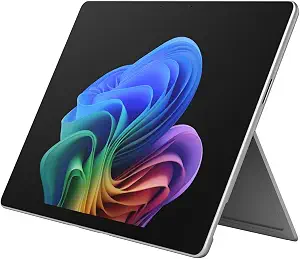
Microsoft Surface Pro (2026), 13-inch Premium Performance 2-in-1 Laptop, Snapdragon X2 Plus Processor, Touchscreen Display, 16GB RAM, 256GB SSD Storage, Windows 11 Copilot+ PC Buil
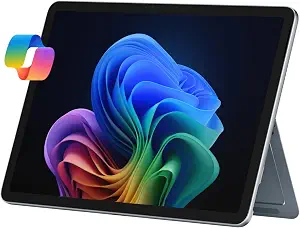
Microsoft Surface Pro 2-in-1 Laptop/Tablet (2025)
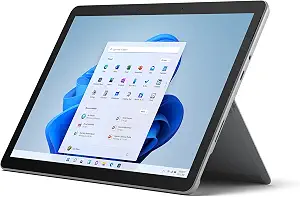
Microsoft Surface Go 3 – 10.5" Touchscreen – Intel® Core™ i3 – 8GB Memory – 128GB SSD – Device Only – Platinum
Best Microsoft Surface Tablet Buying Guide — Black Friday Deals 2026
Which Microsoft Surface tablet fits the way you actually work: a Surface Pro that can serve as a laptop-and-tablet combination, a smaller-screen Pro with substantial listed storage, or a compact Surface Go? Start with that practical distinction rather than assuming every device with the Surface name fills the same role. The listings here describe different screen sizes, processors, memory, storage, and battery-life claims, so matching those details to your routine can narrow the choice. Black Friday can make it tempting to focus on an offer headline, but no deal is useful if the listed configuration does not suit you. Compare the exact model and package, then use your own priorities to decide which one merits a closer look.
Microsoft Surface Pro (2026), 13-inch Premium Performance 2-in-1 Laptop, Snapdragon X2 Plus Processor, Touchscreen Display, 16GB RAM, 256GB SSD Storage, Windows 11 Copilot+ PC Buil
Check Price on Amazon
Best Overall is an editorial fit label for this Surface Pro, not a claim that it is the right choice for every shopper. Its listed combination of a 13 inches display, Snapdragon X2 Plus (10 Core) processor, 16 GB memory, and 256 GB storage makes it a candidate for someone who wants a single device to cover varied everyday tasks. The display resolution is 2880 x 1920 pixels. Consider whether that screen size and configuration suit the reading, browsing, document work, and other activities you expect to do; the specifications alone cannot decide that for you.
The 2-in-1 description matters if you are looking for a device presented as both a laptop and a tablet. The listing identifies Windows 11 and describes this model as a Copilot+ PC. Its two USB-C / USB4[4] ports are worth checking against the connections you expect to use. If your routine depends on other kinds of ports or particular accessories, confirm those details in the exact listing rather than assuming they are included or supported. That simple check can prevent a promising headline from obscuring a configuration mismatch.
The battery claim is up to 15.5hours of battery life[3]. Treat that as the listing’s qualified claim, then consider how it fits your own schedule rather than treating it as a guaranteed result in every situation. For Black Friday, compare the precise model and configuration shown in the offer with this listing’s 13 inches display, processor, memory, storage, ports, and battery wording. Choose this as Best Overall if that balanced set of listed details matches your intended mix of tablet and laptop use; look elsewhere if a smaller display or a different listed storage capacity better answers your priorities.
Key specs
| Display | 13 inches |
| Resolution | 2880 x 1920 pixels |
| Memory | 16 GB |
| Storage | 256 GB |
| Processor | Snapdragon X2 Plus (10 Core) |
| Ports | two USB-C / USB4[4] ports. |
| Battery life | Up to 15.5hours of battery life[3] |
Microsoft Surface Pro 2-in-1 Laptop/Tablet (2025)
Check Price on Amazon
Best for 512 GB of listed storage is a deliberately narrow label: it points to a stated configuration, not to a promise that this model is best for everyone. This Microsoft Surface Pro 2-in-1 Laptop/Tablet (2025) lists 512 GB storage and 16 GB memory. Its 12 inches display has a resolution of 2196 x 1464 pixels, and its processor is Snapdragon X Plus (8 core). Those details give shoppers a concrete way to compare it with the other Surface options here, especially if storage capacity is a priority and the screen size fits their preferred working format.
This model runs Windows 11 Home, and its listed battery life is up to 16 hours of battery life[1]. Keep the qualification in mind when planning around a day of use: the listing gives a claim, not a guarantee of the time you will get in your own routine. The keyboard detail is especially important when deciding whether this package suits laptop-style work. The Surface Pro Keyboard is sold separately, so check the exact Black Friday offer to see what it includes. Do not assume an offer headline settles the question of whether the keyboard is part of the purchase.
A useful way to evaluate this option is to decide whether its listed storage, processor, screen, and Windows edition line up with your actual needs. The 12 inches display may appeal if you are considering a different screen size from the 13 inches Surface Pro; choose based on your working space and carrying preferences, not a presumed performance difference. The processor names and core counts are configuration facts, not a substitute for checking whether your own applications and workflow are a fit. At Black Friday, confirm that the precise 2025 model and 512 GB configuration in the offer are the ones you intend to buy.
Key specs
| Operating system | Windows 11 Home |
| Display | 12 inches |
| Display resolution | 2196 x 1464 pixels |
| Processor | Snapdragon X Plus (8 core) |
| Memory | 16 GB |
| Storage | 512 GB |
| Battery life | Up to 16 hours of battery life[1] |
| Keyboard | Surface Pro Keyboard (sold separately) |
Microsoft Surface Go 3 – 10.5" Touchscreen – Intel® Core™ i3 – 8GB Memory – 128GB SSD – Device Only – Platinum
Check Price on Amazon
Best Budget is the assigned editorial label for the Surface Go 3, but it does not imply a price, a current discount, or a market-wide ranking. The listing describes a 10.5 inches touchscreen with 1920×1280 resolution, an Intel Core i3 processor, 8 GB RAM, and 128 GB storage. That smaller-screen format may suit someone seeking a compact device for browsing, reading, or straightforward everyday tasks. Consider the listed storage alongside the files and applications you plan to keep available, rather than assuming it will match the needs of a larger or more demanding setup.
The operating system is Windows 11 Home in S mode. That is a specific configuration detail to verify against your expectations before choosing this Surface Go 3. The listing also gives up to 11 hours (1) of on-the-go power as its battery-life claim. As with any qualified battery statement, use it as a planning detail rather than a promise of a particular result in your own use. The device weighs 1.2 pounds and lists USB Type C connectivity; check whether those details match how you plan to carry and connect it.
For Black Friday, this model is worth considering if its listed screen, Intel Core i3 processor, memory, storage, Windows edition, weight, and USB Type C connection make sense for your intended role. Review the exact offer and variant rather than inferring that every Surface Go 3 listing has the same configuration. Its listed features give a shopper useful points to weigh, but they do not establish how it will handle an unlisted task or accessory. Choose it for the compact-screen format and specified setup if those priorities matter more to you than the other models’ listed configurations.
Key specs
| Processor | Intel Core i3 |
| Memory | 8 GB RAM |
| Storage | 128 GB |
| Display | 10.5 inches |
| Display resolution | 1920×1280 |
| Operating system | Windows 11 Home in S mode |
| Battery life | Get up to 11 hours (1) of on-the-go power |
| Weight | 1.2 pounds |
| Connectivity | USB Type C |
Give each Surface a clear place in your day
Before comparing model names, picture the situations in which you expect to use the device. Will it mostly stay on a desk for documents and browsing, move between rooms, or travel with you as a compact screen for lighter tasks? A Surface Pro described as a 2-in-1 laptop/tablet may be a better starting point for someone who wants that combined format. The Surface Go 3’s 10.5 inches touchscreen gives it a different screen-size proposition. Neither role is automatically better; the useful question is whether the form and configuration fit your routine.
Make a short list of the work you need the device to support, then compare that list with the features actually given for each model. The two Pro listings specify Snapdragon processors, while the Go 3 lists an Intel Core i3. Those names help distinguish configurations, but they do not prove that a particular application will suit one model. If application requirements matter, verify them for the exact device before buying. Similarly, do not assume an unlisted accessory comes in the box.
A Black Friday shortlist should therefore include the exact model, its stated processor and operating system, and the tasks you expect it to handle. This keeps the decision grounded in your needs instead of an offer headline. If you cannot explain why a listed feature matters to your day, it may not deserve extra weight in your choice. Start with the role, then use display, storage, memory, and package details to remove options that do not fit.
Choose screen details that support your routine
Screen size and resolution can shape how a tablet feels in everyday use, so consider both rather than relying on the product family name. The 2026 Surface Pro lists a 13 inches display and 2880 x 1920 pixels resolution. The 2025 Surface Pro lists a 12 inches display with 2196 x 1464 pixels resolution, while the Surface Go 3 lists a 10.5 inches display with 1920×1280 resolution. These are distinct configurations to compare with your preferences for viewing and carrying.
Think through the content you expect to look at: a long document, a web page, a video, or a set of open work items. Your habits can help determine whether you would rather prioritize a particular screen size or resolution. The specification does not tell you how comfortable a screen will feel to you, so use the exact listing details to identify candidates, then make a personal fit decision. Avoid treating a higher-resolution figure by itself as proof that one device is best for your needs.
During Black Friday, check that the screen details on the offer match the model you selected. An offer that names a Surface Pro may not be enough to identify which of the listed Pro configurations you are considering. Confirm the model year and the display specifications before deciding. If you are comparing the Go 3 with a Pro, decide first whether its 10.5 inches touchscreen is the kind of compact display you want; then consider its other listed specifications.
Translate processor and Windows details into questions
Processor and operating-system descriptions help distinguish the configurations, but they should lead to practical questions rather than assumptions. The 2026 Surface Pro lists a Snapdragon X2 Plus (10 Core), and the 2025 Surface Pro lists a Snapdragon X Plus (8 core). The Surface Go 3 lists an Intel Core i3. These facts identify what each listing says; they do not supply a direct answer about how a specific application will perform. If you rely on particular software or a specialized workflow, check its requirements against the exact model before choosing.
The operating-system wording also differs. One Pro listing identifies Windows 11 Home, while the Go 3 specifies Windows 11 Home in S mode. The 2026 Pro name describes a Windows 11 Copilot+ PC, so retain that exact listing distinction when reviewing an offer. Do not treat these descriptions as interchangeable or assume an edition will behave exactly as you expect without checking your requirements. Matching the operating-system detail to your intended use is a sensible way to eliminate a poor fit.
Black Friday can put several configuration names close together, which makes careful reading more useful than guessing from a product-family label. Verify the model, processor, and Windows wording shown for the precise offer you are considering. If one of these details is essential, make it a must-match item in your shortlist. If it is not important to your routine, focus instead on the features that are, such as screen format or listed storage. This keeps the comparison personal and avoids unsupported performance conclusions.
Let your own files set the storage priority
The listed storage differs among these devices: the 2026 Surface Pro has 256 GB, the 2025 Surface Pro has 512 GB, and the Surface Go 3 has 128 GB. Treat those figures as configuration details and ask what you plan to keep on the device. Consider documents, applications, and other files you expect to access locally. Your own file habits are more useful for deciding whether a capacity suits you than a generic claim that one amount is enough for everyone.
Memory is another point to weigh, but it is not a substitute for choosing storage based on your files. Both Surface Pro listings specify 16 GB of memory; the Surface Go 3 lists 8 GB RAM. Use those exact details to distinguish the listed configurations. If a task has particular memory or storage requirements, check those requirements directly. The records here do not establish how any model handles an unlisted workload, so avoid turning the numbers into a promise about your personal experience.
When a Black Friday offer catches your attention, verify that its storage and memory match the configuration you meant to compare. A familiar model name alone does not settle those details. The 2025 Pro’s Best for 512 GB of listed storage label is a narrow editorial pointer, not a guarantee that the capacity fits every buyer. The Go 3’s Best Budget label likewise does not determine whether its listed storage suits your files. Write down the capacity you want, then confirm it on the exact offer.
Black Friday package checks for a complete setup
An attractive offer headline does not identify every item or specification that matters. Check the precise model and configuration, then confirm the display, processor, memory, storage, and operating-system wording against your shortlist. For the 2025 Surface Pro, the listing explicitly says the Surface Pro Keyboard is sold separately. If a keyboard matters to your setup, determine whether the offer includes it rather than assuming it does. For other accessories or package contents, rely on the exact listing rather than expectations.
Connections and battery statements deserve the same careful reading. The 2026 Surface Pro lists two USB-C / USB4[4] ports, and the Surface Go 3 lists USB Type C connectivity. Check those details against the connections you expect to use; do not infer other ports from the information here. Battery claims are qualified: the 2026 Pro says up to 15.5hours of battery life[3], the 2025 Pro says up to 16 hours of battery life[1], and the Go 3 says get up to 11 hours (1) of on-the-go power. Plan around the exact wording without treating it as a guaranteed outcome.
Black Friday does not establish that an offer is a promotion, nor does a headline prove that its configuration is the one you want. Compare the exact offer and variant, including any stated package contents, before committing. If a detail important to you cannot be confirmed, pause and verify it in the listing. That final check helps keep the purchase aligned with your priorities rather than a label or seasonal message.
Make your Black Friday choice
Choose the Microsoft Surface tablet whose listed setup answers your actual needs: the 2026 Pro for its specified 2-in-1 configuration, the 2025 Pro if its listed 512 GB storage is a priority, or the Surface Go 3 if its compact-screen format and stated features suit your plans. These labels are buyer-fit guides, not universal verdicts. Before completing a Black Friday purchase, check the exact model and variant, screen, processor, memory, storage, operating-system wording, battery claim, ports, and any package detail that matters to you. Confirm the Surface Pro Keyboard separately if you need it, since the 2025 listing says it is sold separately. Let the verified configuration—not the offer headline—make the final decision.